Driveway Sealcoating: When Is the Best Time of Year to Apply It?
If you've been putting off driveway maintenance, you're not alone. Most homeowners wait until they see cracks or fading before they act. But with asphalt sealcoating, timing matters just as much as the product itself. Apply it at the wrong time of year, and you could waste money on a job that won't hold. Apply it at the right time, and your driveway could look great and last for years.
Why Temperature Is the Most Important Factor in Driveway Sealcoating
Sealcoat is a liquid product. It needs heat to cure properly. Most manufacturers recommend applying driveway sealcoating when temperatures are at least 50°F and rising. If it's too cold, the sealant won't bond correctly. If it rains before it cures, you'll end up with streaks, peeling, or a wasted application. The surface temperature of the asphalt matters too — not just the air temp. Blacktop sitting in the sun can be 20–30 degrees warmer than the air, which actually helps the curing process.
Bottom line: Cold, wet, or humid conditions are the enemy of a good sealcoat job.
The Best Seasons for Asphalt Sealcoating in East Tennessee
In the Knoxville, Morristown, and Johnson City area, the ideal window for asphalt driveway care typically runs from late spring through early fall — roughly May through September.
Here's a quick seasonal breakdown:
Spring (April–May): Temperatures are warming up, but early spring can still bring cold nights and heavy rain. Late April or May is usually safe, but watch the forecast.
Summer (June–August): This is the sweet spot. Long, warm days give sealcoat plenty of time to cure before nightfall. Humidity is manageable, and rain is easier to plan around.
Fall (September–October): Still a solid option in early fall. Once nighttime temps start dipping below 50°F consistently, it's time to stop for the season.
Winter (November–March): Not recommended. Cold temperatures prevent proper curing, and freeze-thaw cycles can damage a freshly sealed surface before it's fully set.
How Sealcoating Helps with Driveway Crack Prevention
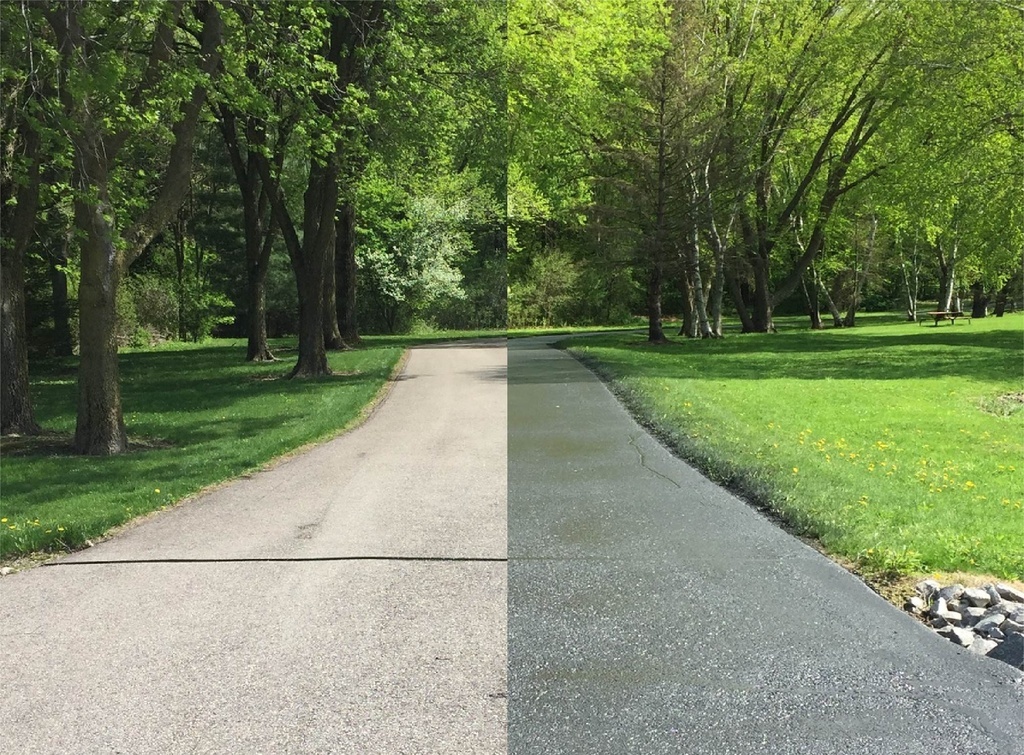
Think of sealcoat as sunscreen for your asphalt. UV rays, water, oil, and freeze-thaw cycles all break down the binders that hold asphalt together. Once the surface starts to oxidize, small cracks form. Those cracks let water in. Water freezes, expands, and makes bigger cracks.
Pavement protection through regular sealcoating creates a barrier that slows all of that down. It keeps moisture out, resists fuel and oil stains, and helps maintain the flexibility of the asphalt so it doesn't become brittle.
Experts generally recommend sealing a new driveway about 6–12 months after installation, then resealing every 2–3 years after that, depending on traffic and wear.
What Happens If You Sealcoat at the Wrong Time?
Skipping proper timing doesn't just reduce the look — it reduces the protection.
A sealcoat applied in cold weather or before rain can:
Peel or flake within weeks
Leave lap marks and uneven coverage
Fail to bond to the asphalt surface
Wash away before it sets
That's a waste of time and money. Always check the 24–48 hour forecast before any sealcoating project. You need dry conditions before and after application.
Frequently Asked Questions About Driveway Sealcoating
How long does sealcoating take to dry?
Most sealcoat products are dry to the touch within a few hours, but you should stay off the driveway for at least 24–48 hours after application. In cooler or more humid conditions, allow up to 72 hours before driving on it.
How often should I sealcoat my asphalt driveway?
For most residential driveways, every 2–3 years is the standard recommendation. Heavy traffic, tree coverage, and exposure to harsh weather can shorten that cycle. A visible gray or faded surface is a good sign it's time to reseal.
Can I sealcoat my own driveway, or should I hire a professional?
DIY kits exist, but professional results are significantly better. Pros use commercial-grade products, proper equipment, and the experience to spot issues like cracks that need to be repaired before sealing. Sealing over unaddressed damage just locks the problem in place.
Ready to Protect Your Driveway? Let's Talk.
Don't wait until your driveway is cracked and crumbling. The best time to seal is before damage sets in — and in East Tennessee, that window opens every spring.
Elite Asphalt Sealcoat serves homeowners in Knoxville, Morristown, Johnson City, and surrounding areas with professional driveway sealcoating, crack repair, and pavement protection services.
Call us today or fill out our online form to schedule a free estimate. We'll assess your driveway, recommend the right timing, and get the job done right.
Posted on June 25, 2026 | Published by Ignite Local | Related Local Business